In Buenos Aires, an abandoned corner of the city became the birthplace of the Faena universe; a radical vision where architecture, art, culture and life would come together to create a new reality.
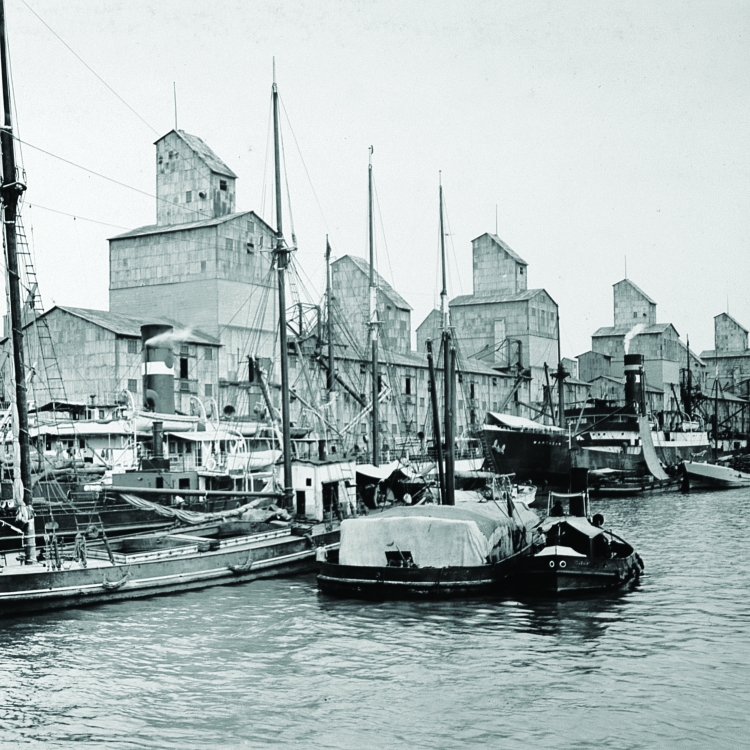
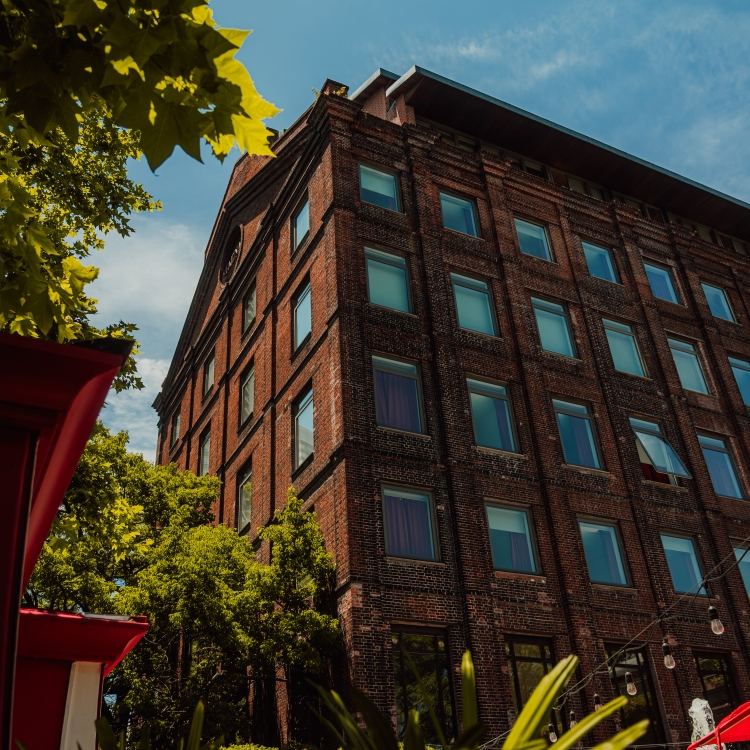
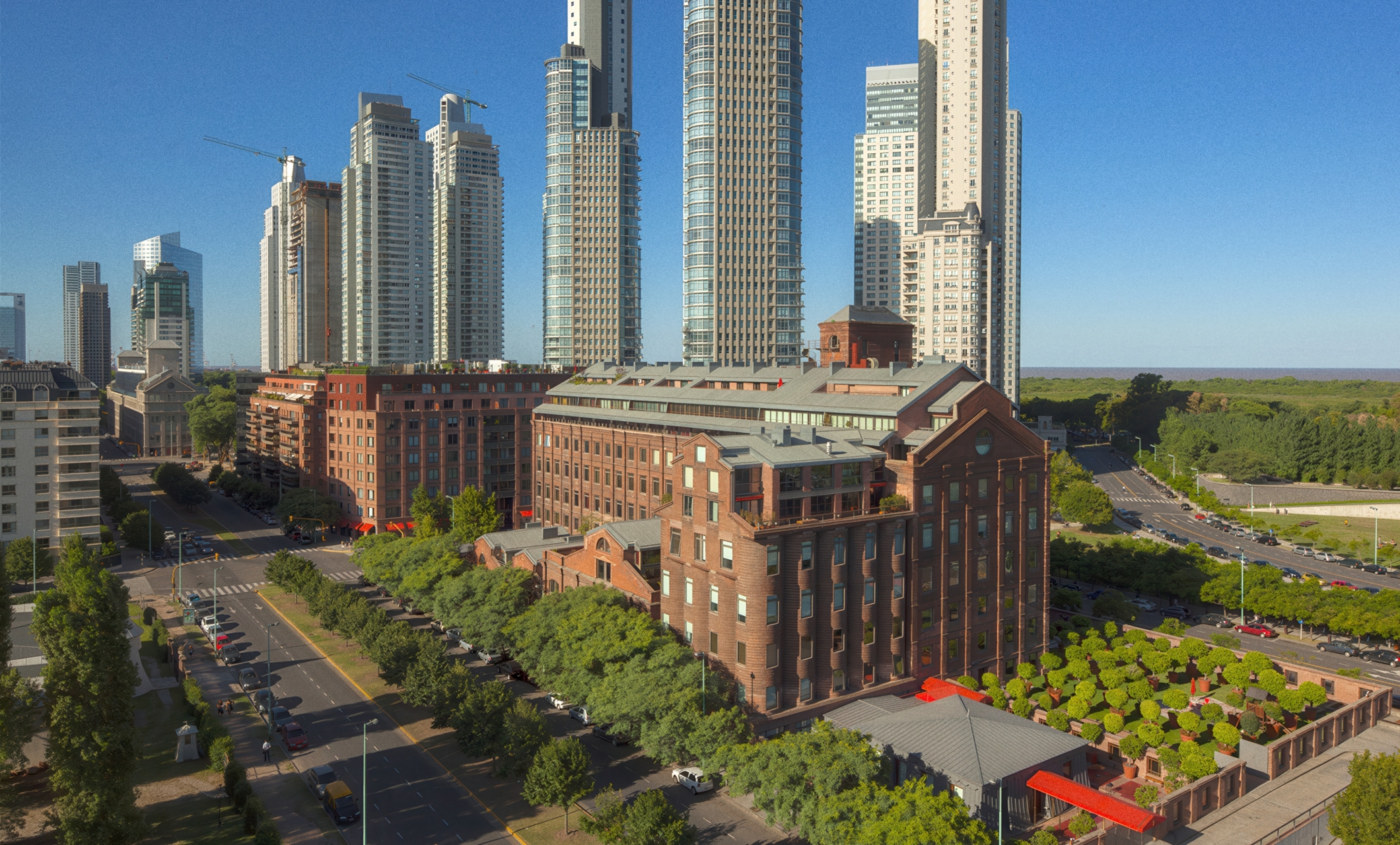
Before Miami Beach and New York, before Faena became a universe stretching across cities and continents, there was Buenos Aires. And there was a dream. At the turn of the millennium, Puerto Madero was still emerging from its industrial past. Among its forgotten warehouses stood El Porteño, a monumental red-brick grain silo built in 1902, abandoned for decades and seemingly frozen in another time. Where others saw ruins, Alan Faena saw possibility: a place where the past could be transformed into the future, and where an entire neighborhood could be reborn through culture, beauty and imagination.
The first great transformation was Faena Hotel. Conceived in collaboration with Philippe Starck, the former granary became something far greater than a hotel: a theatrical world rooted unmistakably in Buenos Aires.
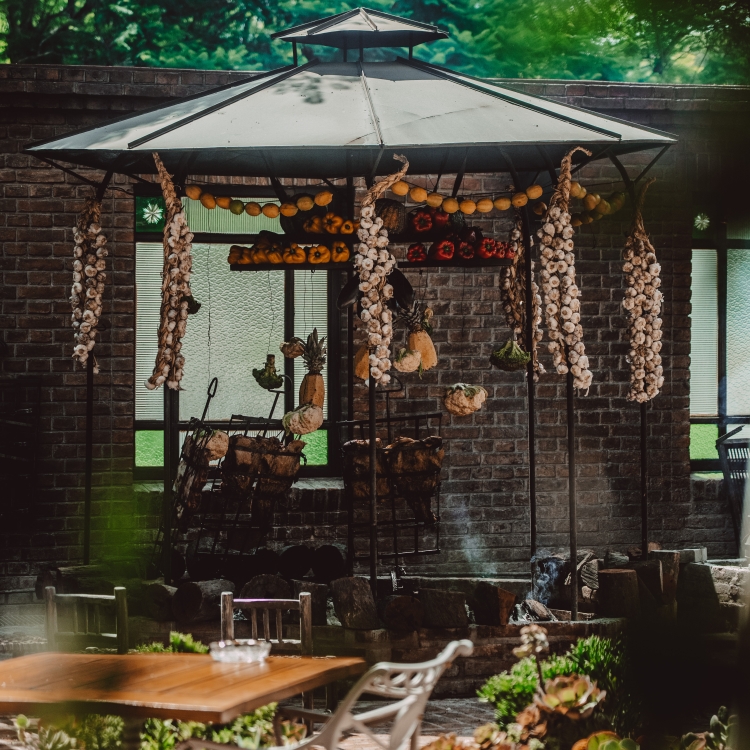
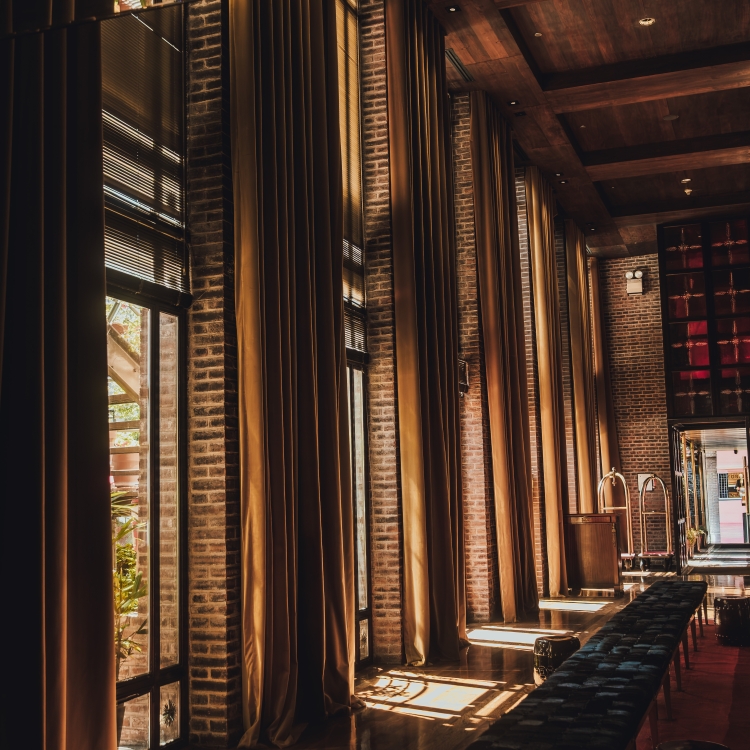
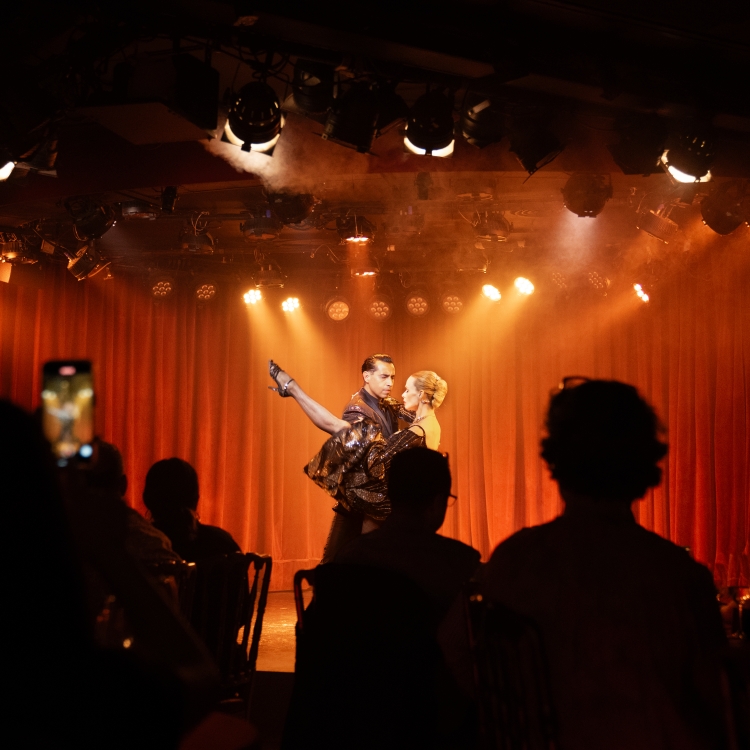
La Catedral, El Mercado, Bistro Sur, El Cabaret, the Spa and La Cava created a journey through Argentine memory and fantasy—tango and fileteado artworks, red velvet and crystal, gardens and ritual. When its doors opened in 2004, the building became the beating heart of a new district. Then the universe began to expand. La Porteña I, followed by La Porteña II, brought the Faena philosophy into residential life, transforming the surrounding streets one building, one home and one tree at a time.
Nearby, another relic of Argentina’s golden industrial age was waiting. The 1908 Los Molinos flour mill was resurrected rather than erased, becoming both residences and the home of the Faena Art Center. Opening in 2011, the Art Center transformed the former mill into a monumental laboratory for contemporary culture; a place conceived to commission the impossible and invite artists to create beyond conventional boundaries. The district’s architectural story reached another dimension with The Aleph Residences, created with Norman Foster and Foster+Partners. Inspired by Buenos Aires’ traditional casa chorizo and named after Jorge Luis Borges’ vision of a point containing all other points, The Aleph joined local memory with radical modernity. Completed in 2012, it received the prestigious RIBA Award for Best Project in Latin America the following year.
Together, these buildings became more than architecture. They became a living constellation—hospitality, residences, art and public life woven into one cultural landscape.
This was Faena District Buenos Aires. This was the first universe. This is where all the magic began.